“Let the peace of God rule in your hearts, to which also you were called in one body, and be thankful.” – Colossians 3:15
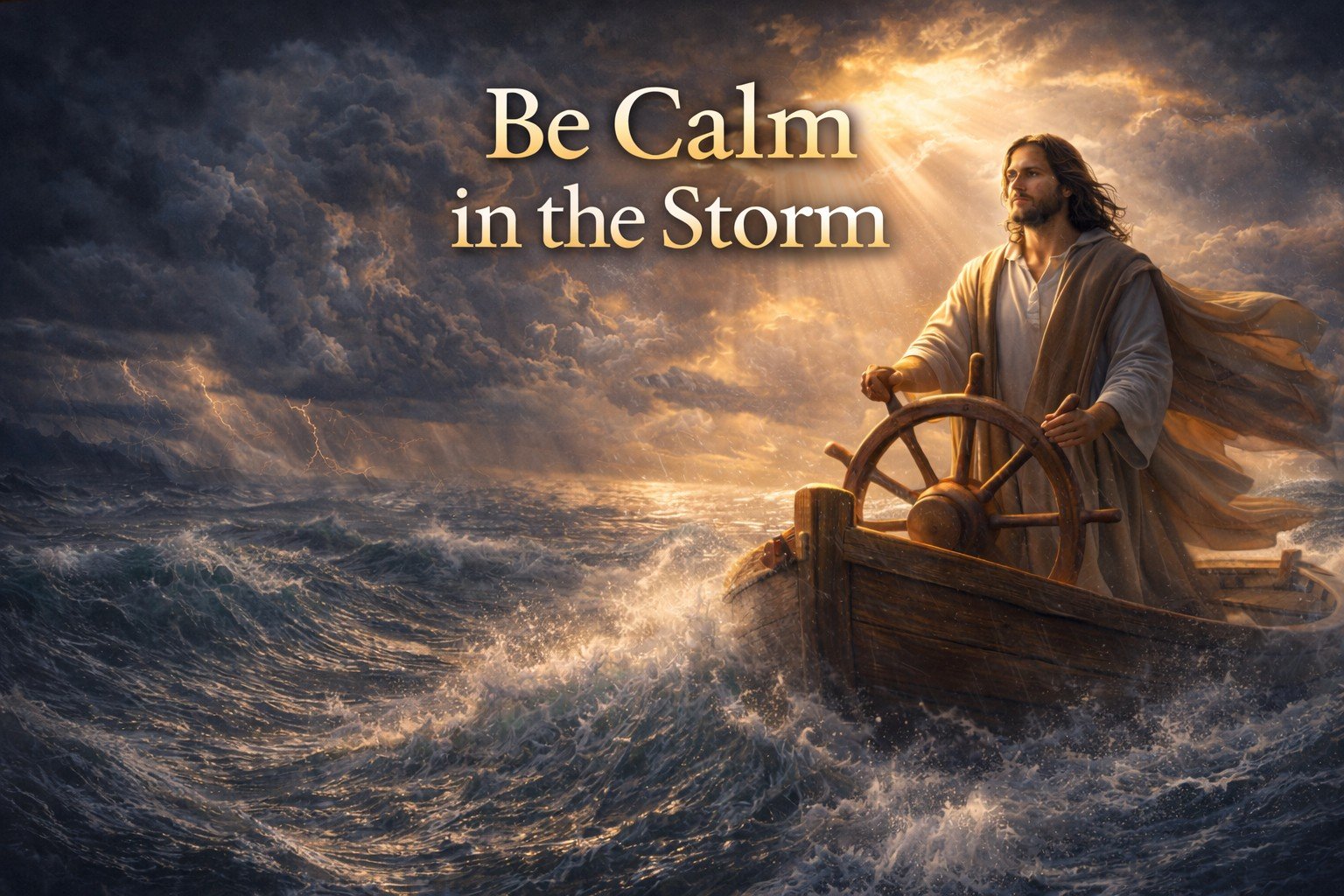
In the midst of life’s tempests, where winds howl and waves crash, there is a profound call to serenity: “Peace, be still!” These words, uttered by Jesus in Mark 4:35-41, echo through the ages, reminding us that even in chaos, be calm in the storm.
Picture the scene: After a long day of teaching and healing, Jesus, exhausted, rests in the stern of the boat on the Sea of Galilee. This lake, nestled 690 feet below sea level, is notorious for sudden, violent storms that can whip up waves towering up to 12 feet. As the disciples navigate to the other side at Jesus’ command, a fierce gale arises, threatening to swamp their vessel. Panic ensues among these seasoned fishermen, yet Jesus sleeps soundly. Awakened by their cries, He rebukes the wind and waves: “Peace! Be still!” And immediately, the wind ceases, and there is a great calm.
This story isn’t just a historical anecdote; it’s a divine blueprint for navigating the storms of life. As we enter our 50s and beyond, these storms may manifest as health challenges, financial uncertainties, or the quiet turbulence of retirement transitions. Yet, Jesus’ example invites us to rest in His presence, trusting that the One who calms the seas can still our hearts.
So let go, my soul, and trust in Him—the waves and wind still know His name.
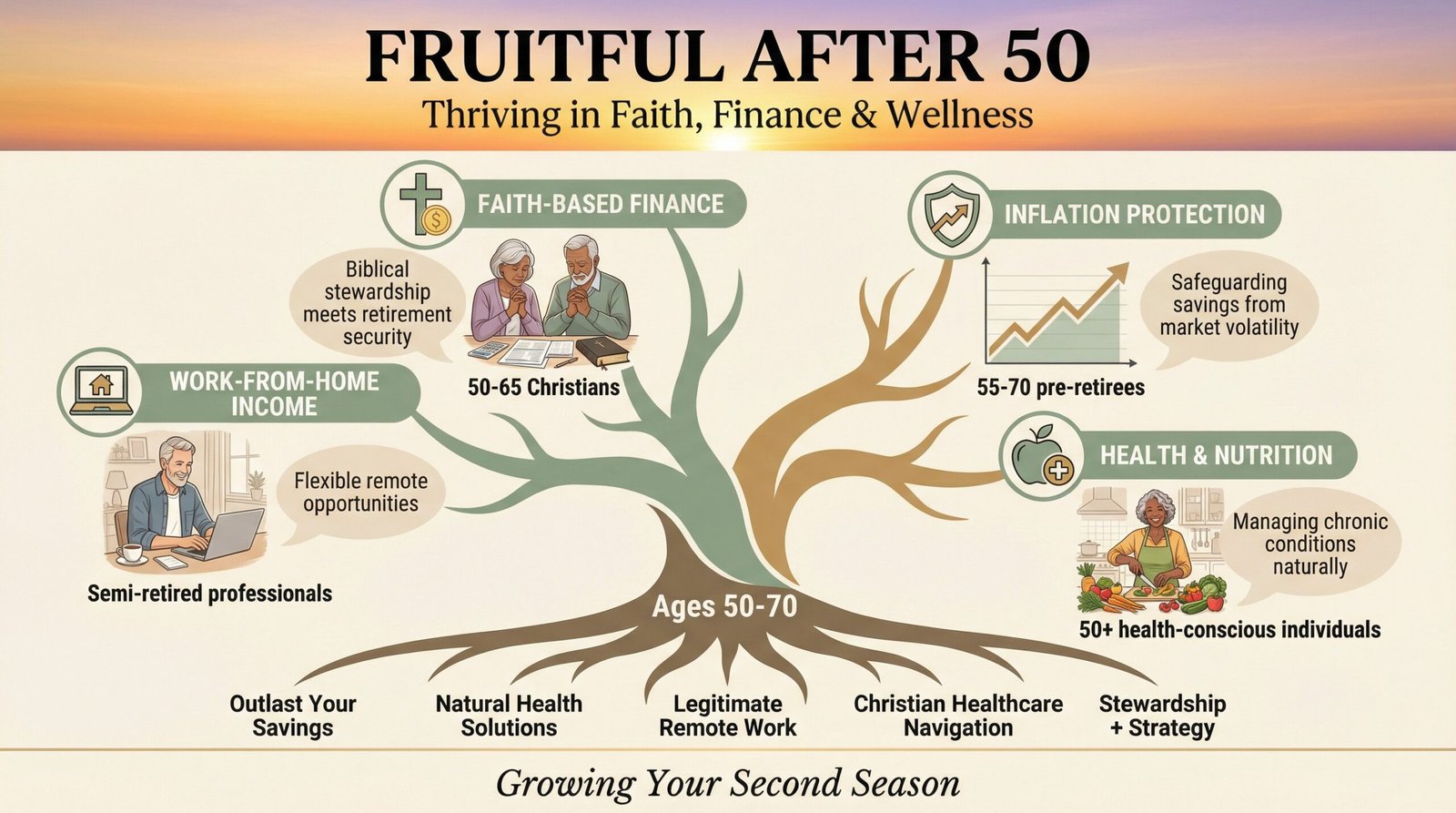
For Christians seeking faith-based retirement guidance, worried about inflation-protected investments, health-conscious individuals managing chronic conditions through diet and fasting, or semi-retired professionals exploring flexible work-from-home opportunities, embracing life’s challenges can be anchored in this peace.
This season, often marked by change, is not a time for fear but for deeper faith. Jesus’ directive to cross the lake was no casual suggestion; it was a deliberate test of trust. He knew the storm could come, yet He led them into it to reveal His power and their need for reliance on Him.
Trusting in the Midst of Turbulence
Consider the disciples’ reaction: “Teacher, don’t you care if we drown?” (Mark 4:38). Their fear stemmed from focusing on the storm rather than the Savior in their boat. How often do we echo this in our own lives? The “storms” might include a diagnosis that shakes our health routines, market volatility eroding retirement savings, or the isolation of semi-retirement prompting questions of purpose.
Yet, Jesus’ response is telling: After calming the elements, He asks, “Why are you so afraid? Do you still have no faith?” (Mark 4:40). It’s a gentle rebuke, urging us to remember His track record. God has never let you down in the past, and He will carry you again. He won’t fail you.
Psalm 107:29 reinforces this: “He stilled the storm to a whisper; the waves of the sea were hushed.” There are times when God allows us to endure the storm to build our faith, and other times He silences it outright. Either way, His goal is our trust. The boat can never sink when Jesus is in it. This truth applies to every facet of life.
In financial wellness, for instance, amid inflation fears, we might explore prudent options like precious metals as a hedge, but true peace comes not from portfolios but from entrusting our provision to Jehovah Jireh. We ask God for guidance—perhaps in diversifying investments or seeking WFH roles that align with our skills—then act accordingly, resting in His sovereignty.
Health storms, too, test our faith. Managing chronic conditions through diet and fasting isn’t merely physical; it’s spiritual. Biblical fasting, as Jesus modeled, draws us into dependence on God, fostering inner calm amid bodily turmoil. Imagine approaching a doctor’s visit or a dietary shift not with anxiety but with the peace that surpasses understanding (Philippians 4:7). You can rest in the middle of a storm. A time of rest may not necessarily be smooth sailing, but those who trust in the Lord cannot be shaken (Psalm 125:1).

Exercising Spiritual Authority
Jesus didn’t just endure the storm; He commanded it. As believers, we inherit this authority. “Rebuke the storms in your life in Jesus’ name,” the Scriptures imply through His example. In Mark 4, the disciples learned that faith isn’t passive—it’s active trust.
Do not be afraid; you have learned to trust God, now trust Him.
This means speaking truth over fear: “God is with you. You are not alone.” When financial winds howl—perhaps a market dip affecting your nest egg—do not act hastily in fear. Invest wisely, yes—consider options like precious metals for stability—but anchor your confidence in the unchanging God.
In Christian living, this authority extends to our relationships and daily rhythms. We are called to be peacemakers, not just peace lovers (Matthew 5:9). Blessed are the peacemakers, for they shall be called children of God. Sometimes, making peace requires sacrifice—forgoing our preferences for the good of another, like compromising on retirement plans to support a spouse’s health needs.
Bring peace into your homes through a clear conscience, doing what is right, and having the courage to lead loved ones on the path of righteousness. As Matthew 6:33 instructs, “But seek first his kingdom and his righteousness, and all these things will be given to you as well.”
In the storm of family dynamics, pursue righteousness, and peace follows.
For health-conscious individuals, fasting and diet become acts of spiritual authority. Rebuke the “storm” of cravings or fatigue by aligning your body with God’s design—perhaps intermittent fasting inspired by biblical models, fostering discipline and clarity. Pair it with WFH opportunities that allow restful rhythms, turning work into worship. Do not believe lies of inadequacy; God equips you for every season.
Stories from believers in their 50s and 60s illustrate this. One semi-retired couple, facing financial strain from inflation, prayerfully explored investment options and WFH consulting gigs. Amid the “storm,” they rebuked fear, trusting God’s provision, and found unexpected calm and abundant peace. Another, managing chronic pain through faith-informed diet changes, discovered peace not in perfect health but in God’s presence during trials.
Finding Peace Beyond Circumstances
If there is one thing every person is searching for, it is peace. Jesus warned, “In this world you will have trouble. But take heart! I have overcome the world” (John 16:33).
We cannot find this peace in business success, accumulated wealth, fame, family, government policies, or even tranquilizers. True peace comes from God alone. When Jesus greeted others, it was with “Shalom”—Hebrew for peace, encompassing wholeness in body, soul, and spirit.
In life, this peace transforms how we approach challenges. Financial wellness isn’t about amassing more but stewarding what God provides with thankfulness (Colossians 3:15). Health management through diet and fasting becomes a pathway to spiritual renewal, quieting the inner storm of worry. WFH opportunities allow us to serve without frenzy, maintaining balance for prayer and reflection. Even investment choices, like precious metals for protection against economic gales, are made with eternal perspective, knowing our true security is in Christ.
We need to be the Christians who calm the storm rather than fuel the fire. In a world of chaos—political unrest, health pandemics, market volatility—our role is to embody Shalom. Do not be fearful; be confident. Focus on Jesus, the Prince of Peace (Isaiah 9:6), spending time in His Word and presence. As you meditate on Scriptures like Psalm 107, where God calms the storm and guides the afflicted to safety, let His peace rule your heart.

Embracing Rest in His Presence
Jesus’ sleep during the gale models ultimate trust. He was exhausted after a day’s work, yet His rest was profound because He knew the Father’s sovereignty. In our busy seasons of life, we too can learn this.
Retirement guidance often emphasizes planning, but faith-based wisdom prioritizes rest in God. Whether navigating health setbacks or financial shifts, surrender to Him. Ask God for guidance, then act—perhaps starting a WFH venture or adjusting diets for wellness—but do so from a place of peace.
Remember, peace is not the absence of storms but the presence of God amid them. As Colossians 3:15 urges, let His peace rule, fostering thankfulness. In chronic condition management, thank God for each day of strength. In financial planning, express gratitude for provision, even exploring investment options with a heart of stewardship.
Ultimately, this peace equips us for eternal impact. Our storms become testimonies, drawing others to Christ. Step into this season with faith: God has the power to handle any situation. Trust Him, rest in Him, and watch as He stills your seas.
In closing, may God bless you as you focus on Jesus and spend time with the Prince of Peace. Let this reflection inspire you to seek His calm daily.
Let us conclude with a prayer: Dear Lord, peace is something elusive in this world where there is so much chaos all around. Impress on me that peace is not found in my circumstances, but in You. Thank You for bringing peace to my heart. Guide me to trust You in every storm, whether You calm it or carry me through. Help me exercise spiritual authority, rebuking fear and embracing Your Shalom in health, finances, and service. May I be a peacemaker, resting in Your presence. In Jesus’ name, Amen
Leave a Reply