Prevent and Overcome Burnout
Working from home offers numerous advantages, but it also comes with its own set of challenges. One common challenge is the risk of experiencing burnout. In this article, I’ll share practical strategies and insights to help you avoid burnout as an entrepreneur working remotely. Together, we can prioritize self-care and maintain a healthy work-life balance.
Understanding Burnout
It is essential to understand how to avoid burnout when you work from home.
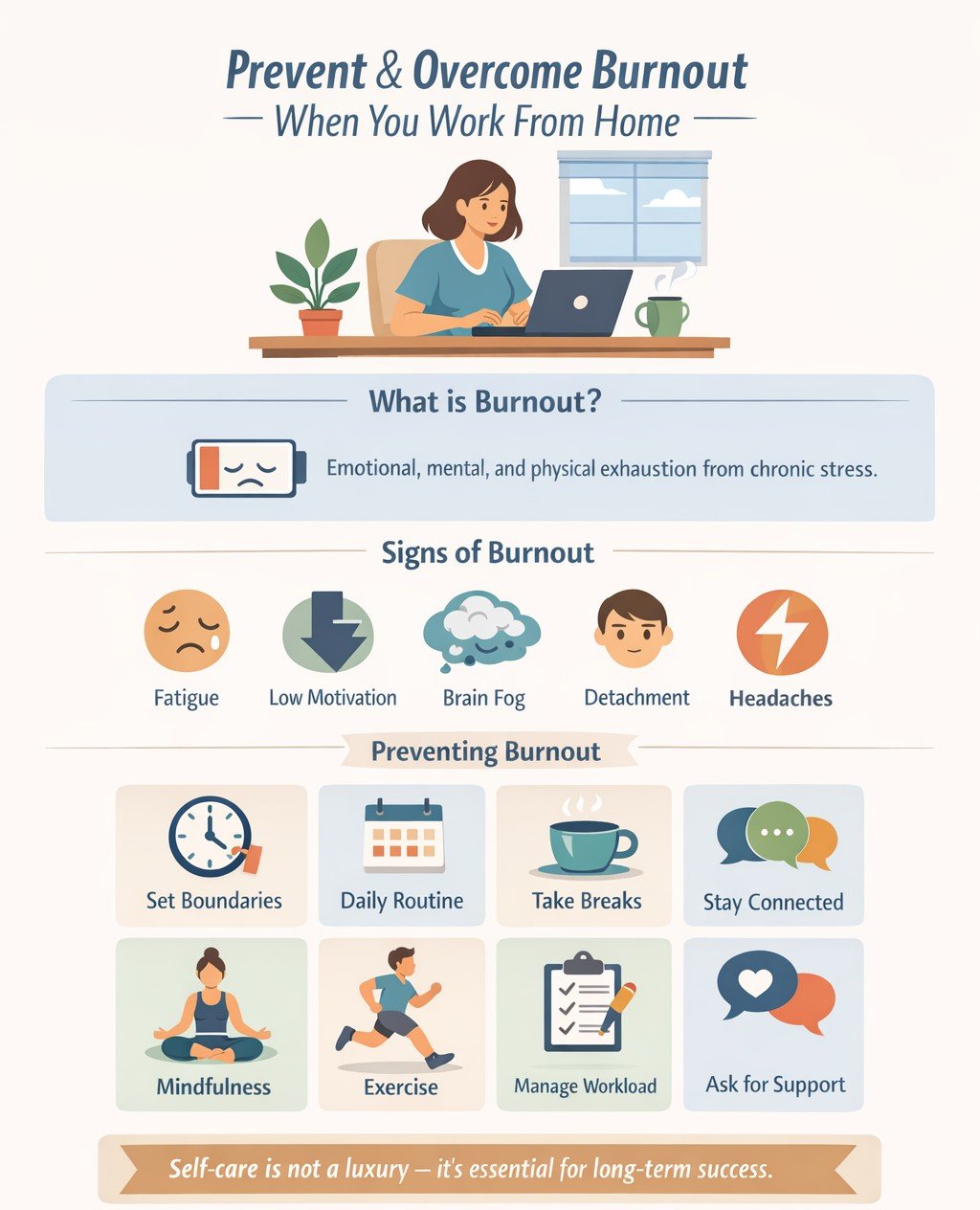
Burnout is a state of emotional, mental, and physical exhaustion caused by chronic work-related stress. It can leave you feeling drained, unmotivated, and overwhelmed. Understanding the root causes and recognizing the signs of burnout are crucial to effectively address and prevent it.
Signs and Symptoms of Burnout
Recognizing the signs and symptoms of burnout is essential in taking proactive steps to prevent it. Common indicators include persistent fatigue, loss of motivation, decreased productivity, cynicism or detachment from work, and physical symptoms like headaches or muscle tension.
The Impact of Burnout on Remote Workers
Working remotely doesn’t make you immune to burnout. In fact, it can sometimes intensify the risk due to blurred boundaries between work and personal life. Burnout can negatively impact your mental health, job satisfaction, and overall well-being, affecting both your professional and personal life.
Importance of Self-Care in Preventing Burnout
Self-care plays a pivotal role in preventing and overcoming burnout. By prioritizing your physical, mental, and emotional well-being, you can build resilience and protect yourself from the harmful effects of chronic stress. Let’s explore some practical self-care strategies for remote workers:
Setting Boundaries
Establish clear boundaries between work and personal life. Define specific working hours, create a designated workspace, and communicate your availability to colleagues and family members. Respect these boundaries and avoid overworking or getting constantly distracted by personal matters during work hours.
Establishing a Routine
Create a consistent daily routine that includes dedicated time for work, breaks, self-care activities, and personal commitments. A routine provides structure and helps maintain a sense of normality in your work-from-home routine.
Taking Regular Breaks
Frequent breaks throughout the day are essential for recharging your energy and maintaining focus. Step away from your workspace, stretch, take a short walk, or engage in activities that help you relax and rejuvenate. Remember, breaks are not a luxury but a necessity for productivity and well-being.
Nurturing Social Connections
Isolation can contribute to burnout. Stay connected with colleagues, friends, and family members through virtual meetings, social media, or phone calls. Engage in conversations, share experiences, and seek support when needed. Building and nurturing social connections provides a sense of belonging and support.
Practicing Mindfulness and Meditation
Mindfulness and meditation are powerful tools for reducing stress and cultivating a sense of calm. Take a few moments each day to sit quietly, focus on your breath, and be fully present in the moment. These practices enhance self-awareness, reduce anxiety, and improve overall well-being.
Prioritizing Physical Exercise
Regular physical exercise is vital for maintaining energy levels, reducing stress, and promoting overall well-being. Incorporate physical activities that you enjoy into your daily routine. It could be a workout session, jogging, or simply walking in nature. Find what works best for you and make it a priority.
Managing Workload and Expectations
Set realistic goals, prioritize tasks, and manage your workload effectively. Learn to say no when necessary and delegate tasks if possible. Avoid overcommitting and manage expectations by communicating openly and honestly with your superiors and colleagues.
Seeking Support and Professional Help
If you feel overwhelmed or notice persistent signs of burnout, don’t hesitate to seek support. Reach out to a trusted friend, family member, or mentor for guidance and encouragement. Additionally, consider seeking professional help from a therapist or counselor who specializes in stress management and burnout prevention.
Creating a Supportive Work Environment
Promote a supportive work environment by fostering open communication, empathy, and mutual support among colleagues. Encourage regular check-ins, virtual team-building activities, and opportunities for collaboration. Creating a positive, inclusive work culture can significantly help prevent burnout.
Conclusion
Working from home offers flexibility and freedom, but requires intentional self-care to prevent burnout. By implementing the strategies mentioned above, you can establish a healthy work-life balance, protect your well-being, and maintain productivity in your remote work journey. Implementation of these strategies provides guidance on how to avoid burnout as an entrepreneur.
Self-care is not a luxury but a necessity for long-term success and fulfillment.
FAQs
Q: How can I prevent burnout when working from home?
A: To prevent burnout, set boundaries, establish a routine, take regular breaks, nurture social connections, practice mindfulness, prioritize exercise, manage workload, seek support, and create a supportive work environment.
Q: Can working from home increase the risk of burnout?
A: Yes, working from home can increase the risk of burnout due to blurred boundaries between work and personal life. It’s important to establish clear boundaries and prioritize self-care.
Q: How can I manage stress while working remotely?
A: Managing stress while working remotely involves practicing self-care, setting realistic expectations, maintaining a healthy work-life balance, and seeking support when needed.
Q: What are the signs of burnout?
A: Signs of burnout include chronic fatigue, decreased motivation, decreased productivity, cynicism or detachment from work, and physical symptoms like headaches or muscle tension.
Q: When should I seek professional help for burnout?
A: If you experience persistent signs of burnout or if it significantly impacts your daily functioning and well-being, it’s important to seek professional help from a therapist or counselor specializing in stress management and burnout prevention.
Prioritizing self-care and taking proactive steps to prevent burnout is essential for maintaining your well-being and success when you work from home.
My Burnout Book
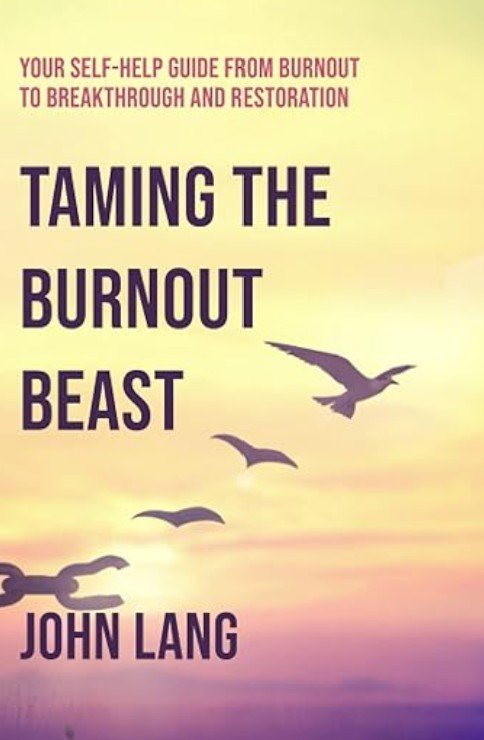
I wrote a book on the topic titled: Taming the Burnout Beast
Your Self-Help Guide from Burnout to Breakthrough and Restoration
The following is an extract from the book for your guidance:
Mental burnout has become a global phenomenon due to fast-paced living and the pressure to succeed. Modern living has dictated what success looks like, to which many aspire. However, only a few discover the secrets to success.
This book is about the journey of a young executive in New York City, flying high and fast, climbing the corporate ladder. He will do anything to achieve the success he aspires to. We painfully witness his burnout and its consequences. He struggles to grasp the concept of burning out and what it means to him. His battle to accept his situation will resonate with many of us, as we often are in denial regarding the state of our mental and physical health. Acceptance is the turning point to change his life, sending him off seeking help and recovery.
It is essential to reach out where possible or follow any medical advice you may receive. Also, seeking help may be seen as a sign of weakness. However, true strength is acknowledging that you need a boost to get through a difficult patch.
Burnout is a silent killer that requires awareness as it creeps up on you like a thief in the night, stealing your mental and physical health. The constant exhaustion, sudden fainting spell, or worse, heart attack at a young age are consequences of ignoring signs of burnout.
This story helps you identify any potential burnout symptoms you may be facing and guides you from burnout to breakthrough to restoration.
Our bodies are precious and unique to us, and we need to treat them as such. It is not easy to accept that you have experienced burnout, especially for some who are workaholics and perfectionists. We pride ourselves on achieving every possible goal or prize, which forms the basis of our identity and self-esteem.
Mental and emotional burnout has become a silent killer worldwide, as stress has become the number one reason for several ailments people suffer. It contributes to health problems like high blood pressure and migraines, and we often deal with the symptoms instead of the source of the problem.
Remember, stress may lead to burnout or even become a silent killer. It is okay to put yourself first…You only have one engine…Your heart and mind. Treasure it…Do not make the mistake of thinking you have too much time in life. Do not get trapped in the life cycle, which tells you that you are working against a deadline or timeline.
Set your own timeline and be kind to yourself. To recover from burnout, you need to accept your situation and work on a balanced life. Our expectations are often unrealistic and can sometimes drive us to overwhelm, anxiety, and stress.
To begin your journey toward recovery, ask yourself four simple questions. What is too much for me?
What am I neglecting?
Are my basic needs met?
Do I have ‘me’ time?
Yes, you suffered from burnout and must treat your health as a priority. Still, it does not mean you must give up on life without a vision of success or the ability to excel. Maybe with a different perspective at a reduced pace, but your best days are still in the future.
Use the four questions to reflect on yourself. Then work on restoring the balance between all the important roles in your life.
We are all different, so please define your important roles. Make sure you don’t push too hard on one side or neglect anything important to you on the other side.
Make time for yourself, your family, your loved ones, your health, your home, and your work. Make time for it all, but not everything has to be perfect or done today.
Begin to stretch your wings again and find out that you are an overcomer. Rise to the heights of your calling. Spread your possibilities, soar above your adversities, and fly high to create your newfound success.
You will experience that soaring does not require a flapping of wings but rather a glide at your highest potential in perfect balance with your surroundings.
Leave a Reply