
Introduction
You stand in your driveway, looking at your house. You’re wondering which improvements will actually pay off when you sell.
Or maybe you’ve bought a fixer-upper and need to know where your money goes furthest.
The guesswork ends here.
This guide provides you with specific projects, real costs, and actual ROI percentages, enabling you to make informed decisions.
The rules changed recently. What worked five years ago doesn’t necessarily work now.
Buyer priorities shifted toward energy efficiency, curb appeal, and functional outdoor spaces.
Understanding these shifts puts you ahead of most homeowners and investors.
Whether you’re flipping your first house or preparing to sell the home you’ve lived in for decades, you’ll learn which projects deliver results and which ones waste money.
I added a ‘Home Improvement ROI Calculator’ at the end of this report for your benefit.
Affiliate Disclaimer: This post may contain affiliate links, meaning we earn a commission if you purchase through them – at no extra cost to you. We only recommend products or services we believe add value to our readers.
Evaluation Criteria
Before you pick up a hammer or call a contractor, you need to know how to assess which projects make sense for your situation.
Your timeline matters most.
Planning to sell within six months? You need different projects than someone who stays for five more years.
Quick exterior upgrades deliver immediate visual impact.
Interior renovations take longer and cost more, but improve the quality of your daily living.
Location drives demand.
A pool in Phoenix makes sense. A pool in Minnesota doesn’t.
Your local market decides which features buyers actually want.
Talk to three real estate agents in your area before making major decisions. They know what sells homes on your street.
Exterior beats interior for resale.
Recent numbers tell a clear story. Eight of the ten highest-ROI projects happen on your home’s exterior.
Buyers form opinions in the first fifteen seconds.
Your home’s outside appearance either invites them in or sends them to the next listing.
Budget realistic costs.
Most homeowners underestimate renovation expenses by 20-30%. Add buffer room to every estimate.
Surprises happen during DIY home improvement projects.
Hidden water damage, outdated electrical, and structural issues you didn’t see coming.
Get three contractor quotes for every major project. Prices vary wildly.
The cheapest bid often comes with the biggest headaches.
Top Picks
- Garage Door Replacement
This project wins the ROI competition by a landslide. Installing a new garage door costs around $4,672 and returns $12,507 in resale value.That’s a 267.7% return on investment.
Your garage door covers a huge portion of your home’s street-facing view.
A dented, faded, or outdated door tells buyers you’ve neglected maintenance.
They start wondering what else you’ve ignored.
A new garage door in a modern style can change the entire look of your house in one day.
Choose neutral colors and clean lines.
Avoid trendy designs that’ll look dated in three years.
Most installations take less than eight hours.
You’ll have immediate curb appeal without weeks of construction mess.
If you’re flipping a house or plan to sell soon, replace the garage door first.
This single improvement generates more buyer interest than almost any other upgrade.
- Steel Entry Door Replacement
A new steel front door costs about $2,435 and adds roughly $5,270 in value to your home. That’s a 216.4% ROI.
Your front door creates the first impression. Buyers stand there waiting to get inside, studying every detail.
A weathered door with peeling paint or outdated hardware makes them question the condition of your home before they step through the threshold.
Modern steel doors come in dozens of styles. Matte black finishes dominate current interior design trends, but classic colors work too.
Add new hardware, a fresh doormat, and updated house numbers for the most impact.
Installation takes one day. You’ll notice the difference immediately, and so will everyone who visits.
- Manufactured Stone Veneer
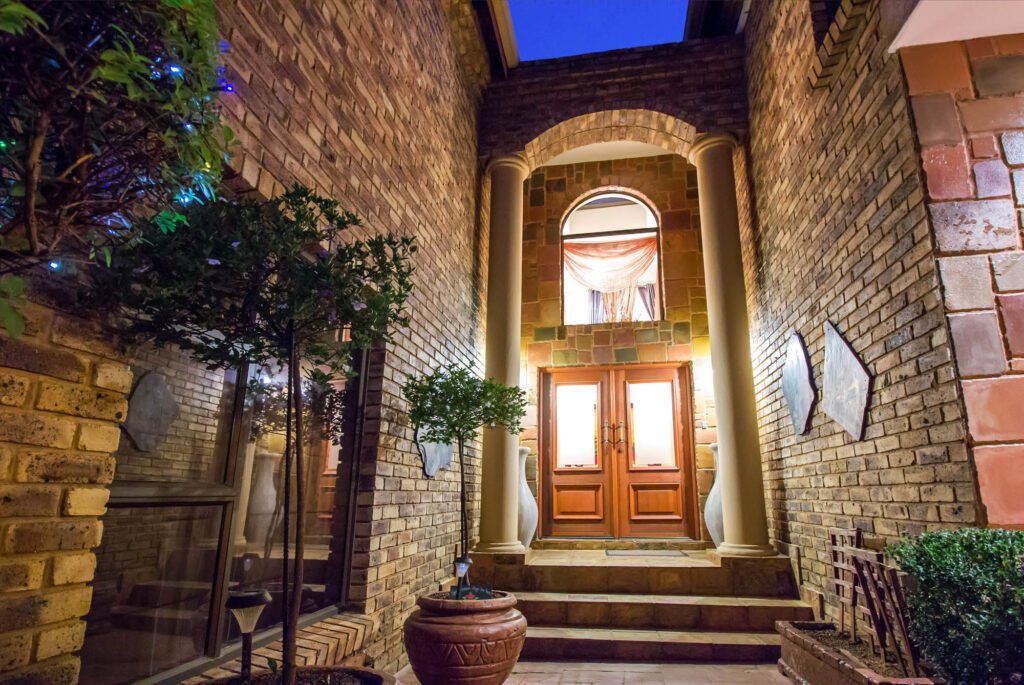
Adding stone veneer to your exterior costs around $11,702 and returns $24,328 in resale value. The 207.9% ROI makes this one of the smartest investments in real estate improvements.
Stone veneer gives your home weight and substance. A plain siding exterior looks generic.
Adding stone to your foundation, chimney, or entryway columns creates visual interest and perceived quality.
You don’t need to cover the entire house. Strategic accent areas deliver the same effect at lower cost.
Many homeowners veneer just the front-facing walls or the area around the front door.
This project needs professional installation. Stone work demands precision and experience.
It takes approximately 3-5 days for completion, depending on how much area you’re covering.
- Energy-Efficient Windows
Quality windows return about 72.3% of your investment at resale. That percentage might seem lower than other projects, but windows also cut your monthly utility bills starting immediately.
Modern windows with Low-E coatings and proper insulation keep your home comfortable throughout the year.
Your HVAC system works less.
Your energy bills drop.
Buyers increasingly care about long-term ownership costs, and effective windows signal you’ve considered their future expenses.
Window replacement costs vary widely based on size, style, and quantity. Budget $300-$1,000 per window for quality products with professional installation.
Start with the most visible windows first if you’re spreading costs across many years. Replace front-facing windows and large picture windows before tackling the back bedrooms.
You will get a visual impact while managing cash flow.
Check out energy-efficient window options at Home Depot, where you can compare different brands, read reviews, and schedule a free consultation with installation experts.
- Minor Kitchen Remodel
A minor kitchen remodel returns 112.9% ROI.
The average cost is approximately $28,458, and you will recoup roughly $32,141 at resale.
The keyword here is “minor.”
You’re not gutting the entire kitchen.
You’re updating what’s outdated and replacing what’s broken.
Replace old cabinets with modern shaker-style doors in white or gray. Install quartz countertops.
Upgrade to stainless steel appliances if yours are more than ten years old.
Add modern lighting fixtures and new hardware on all cabinets and drawers.
Fresh paint on the walls and a new tile backsplash complete the transformation.
Major kitchen overhauls with custom cabinetry and luxury finishes rarely return more than 60% of your investment.
Buyers want functional, clean, modern kitchens.
They don’t pay premium prices for ultra-high-end finishes that reflect personal taste more than universal appeal.
Focus your budget on fixtures people touch daily.
Cabinet handles, faucets, and lighting switches. These details create a feeling of quality without the cost of luxury appliances.
- Hardwood Floor Refinishing
Refinishing existing hardwood floors returns 147% of your investment. Installing new hardwood flooring returns 118% ROI.
Hardwood floors carry psychological weight in real estate. They signal quality, construction, and careful maintenance.
Carpet hides what’s underneath.
Hardwood showcases what you’ve got.
If you have hardwood floors hidden under carpet or worn from years of use, refinishing them costs less than any other major interior upgrade. The transformation feels dramatic because floors impact every room.
New hardwood installation makes sense if you have damaged subflooring or low-quality materials that can’t be saved. Choose classic oak or maple in medium tones. Trendy wide-plank exotic woods cost more and don’t necessarily increase resale value in proportion.
Professional refinishing takes 3-5 days, including drying time. You’ll need to stay out of those rooms during the process.
A new installation takes 1-2 weeks, depending on square footage.
Browse hardwood flooring options at Lumber Liquidators to compare species, finishes, and prices before choosing a style.
- Outdoor Living Spaces
Wood deck additions return 94.9% ROI while composite decks return 88.5%.
The average cost runs $18,263 for composite and slightly less for wood.
Outdoor living space shifted from a luxury amenity to an expected feature in recent times. Buyers want usable space outside for entertaining, relaxing, and enjoying their property without leaving home.
A well-designed deck or patio expands your home’s functional square footage in the buyer’s mind.
They picture summer dinners, morning coffee, and family gatherings.
That emotional connection drives offers.
DIY homeowners with carpentry skills can tackle smaller deck projects.
Larger builds need professional contractors for proper permitting, foundation work, and structural integrity.
Decks need to support significant weight safely.
Don’t cut corners here.
- Bathroom Updates
Full bathroom remodels return on average 66.9% ROI, but targeted updates deliver better value.
Replace outdated vanities, install modern faucets and lighting, update mirrors, and add fresh tile around tubs and showers.
Bathrooms need to feel clean and current. Buyers imagine themselves getting ready each morning in this space.
Dated tile, worn fixtures, or poor lighting make the whole house feel old.
You can update a bathroom for $3,000 to $8,000, depending on size and scope.
Focus on visible elements before tackling plumbing or layout changes.
A new vanity, modern mirror, updated lighting fixtures, and fresh paint create a massive visual improvement without demolition costs.
Comparison Table
Here’s how these projects stack up side by side:
| Cost | Improvement Value | ROI | Duration | |
| Garage Door | $4,672 | $12,507 | 267.7% | 1 day |
| Steel Entry Door | $2,435 | $5,270 | 216.4% | 1 day |
| Stone Veneer | $11,702 | $24,328 | 207.9% | 3-5 days |
| Minor Kitchen Remodel | $28,458 | $32,141 | 112.9% | 4-8 weeks |
| Hardwood Refinishing | $3,000-$8,000 | +$4,410-$11,760 | 147% | 3-5 days |
| Deck Addition | $18,263-$25,096 | $17,323-$22,199 | 88.5-94.9% | 2-4 weeks |
| Energy Windows | $300-$1,000/window | Varies | 72.3% | 2-5 days |
| Bathroom Update | $3,000-$8,000 | $2,007-$5,352 | 66.9% | 1-3 weeks |
Buying Guide
- How to Prioritize Projects
Your available budget and timeline decide which projects are financially feasible for immediate implementation.
If you’re selling within 90 days, focus exclusively on curb appeal.
Garage door, front door, fresh exterior paint, professional landscaping, and power washing.
These projects take minimal time and deliver the most impact on buyer interest.
If you’re planning a house flip, start with exterior improvements that photograph well for listings. Online photos drive showing asks.
Your home needs to look impressive in thumbnail images on real estate websites.
After exterior work, tackle kitchen and bathroom updates. These three areas generate the most buyer attention.
If you’re improving your current home, balance projects that you will enjoy during ownership with expected future resale value. Energy-efficient upgrades like windows and insulation pay dividends through lower utility bills while you live there and add value when you sell.
If you’re preparing to downsize, consider investing in repairs rather than upgrades. Fix everything that’s broken.
Replace worn carpet.
Patch and paint walls. Clean thoroughly.
Buyers in downsizing markets care more about move-in condition than trendy finishes.
- Finding Quality Contractors
You need three quotes for every major project. Prices vary 30-50% between contractors for identical work.
Ask for references. Then call the references.
Visit previous job sites if possible.
Check licensing and insurance coverage.
Verify warranty terms in writing before signing contracts.
Red flags include contractors who expect full payment upfront, can’t provide references, or pressure you to commence immediately.
Quality contractors stay busy.
They book weeks or months ahead.
Last-minute availability often signals problems.
Get connected with vetted contractors through HomeAdvisor, where you can read verified reviews, compare quotes, and check licensing automatically.
- Material Selection Strategies
You’ll face overwhelming product choices for every project. Paint colors, flooring types, cabinet styles, countertop materials, fixture finishes.
Stick with neutral, classic choices for resale-focused projects. White, gray, beige, and natural wood tones appeal to the widest audience. Save bold colors and distinctive styles for accent pieces you can easily change.
Prioritize durability over trends. Countertop materials that scratch easily or require frequent maintenance frustrate buyers. Flooring that shows wear after two years costs you money twice.
Balance quality with budget. You don’t need the most expensive option in every category. Mid-range products from reputable manufacturers deliver quality that lasts without premium prices.
Visit showrooms to see and touch materials before ordering. Photos do not accurately represent texture, color, or define how light reflects off surfaces.
Bring home samples and live with them for a few days before committing to large orders.
- DIY vs. Professional Installation
Some projects work well as DIY home improvement adventures. Others need professional expertise for safety, code compliance, and quality results.
Good DIY projects include:
- Painting (interior and exterior)
- Cabinet hardware replacement
- Light fixture installation
- Basic landscaping
- Pressure washing
- Minor bathroom updates (vanity, mirror, fixtures)
Hire professionals for:
- Garage door installation
- Window replacement
- Deck construction
- Stone veneer application
- Major kitchen remodels
- Structural work
- Electrical beyond basic fixtures
- Plumbing beyond fixture swaps
You save money on DIY projects, but mistakes cost more in rework than hiring a professional the first time. Be honest about your skill level and time availability.
A poorly executed DIY project hurts resale value instead of helping it.
- Budget Planning
Most homeowners underestimate renovation costs significantly. Add 25% to every estimate for unexpected issues and project changes.
You’ll find problems hidden behind walls. Outdated wiring, water damage, and structural issues that weren’t visible during planning.
Budget flexibility prevents project delays and allows you to address problems properly.
General budget rule: spend no more than 10-15% of your home’s market value on total renovations.
A $300,000 home justifies $30,000-$45,000 in improvements.
Beyond that, you’re over-improving for your neighborhood and won’t recoup costs.
Finance carefully. Cash purchases avoid interest charges.
Home equity loans offer lower rates than credit cards.
Personal loans work for smaller projects.
Avoid financing that extends beyond your planned ownership timeline.
Final Thoughts
The data proves exterior improvements dominate interior design upgrades in the real estate value.
Your home’s curb appeal drives buyer interest more than any single interior feature.
Start with the highest-ROI, lowest-cost projects. Garage door replacement, entry door upgrade, and professional landscaping deliver a 200%+ return with minimal investment.
These quick wins build momentum and improve your home’s appearance.
Follow with targeted interior updates based on your timeline. Kitchen and bathroom improvements make sense for longer ownership or house flipping projects where you’re maximizing every dollar.
Energy-efficient upgrades pay off through lower utility bills and future resale value.
Your specific market decides which projects matter most. Spend time researching local buyer priorities before committing major money.
Three conversations with real estate agents who work in your neighborhood will reveal exactly which features drive sales in your area.
Execute projects strategically. Plan the sequence to avoid rework and delays.
Exterior improvements before interior renovations prevent construction damage to new finishes.
Structural and mechanical updates must be prioritized before cosmetic improvements to confirm you’re building on solid foundations.
Find all the tools and materials you need at Lowe’s with helpful buying guides, project calculators, and installation services to support your renovation plans.
The best home improvements solve real problems while increasing property value.
Your goal is to make smart investments that buyers appreciate and will pay for when you sell.
Focus on high-ROI projects with proven track records.
Skip trendy upgrades that might look dated in three years.
Start with your home’s biggest weaknesses.
Walk outside and look at your house as if you are a buyer seeing it for the first time.
What needs attention?
Where does your home look tired or neglected?
Fix those issues first.
Then move to strategic upgrades that align with current buyer priorities.
Curb appeal, functional kitchens, updated bathrooms, energy efficiency, and outdoor living spaces.
These features consistently drive buyer interest and justify higher prices.
Execute quality work whether you’re doing it yourself or hiring contractors.
Poor workmanship kills resale value faster than outdated features.
Take time to do projects right.
Your future buyers will notice the difference.
Link across to perform your calculation with the ‘Home Improvement ROI Calculator’
Leave a Reply to How to Make $100,000 Your First Year in Real Estate – Home Upgrade Academy Cancel reply